
Greetings, Fleet Feet Safety Champions,
Whether your Fleet route has you rolling through suburban side streets or urban corridors pulsing with foot traffic and food trucks, there is one group of road users whose safety depends on your sharp eyes and steady hands: pedestrians.
As a Fleet driver, you likely spend more time behind the wheel in a week than some people do all month. You are the professional out there. The one whose driving reflects not just personal habits, but company training, policy, and public image. That’s why defensive driving for pedestrian safety is not optional—it’s essential.
And when it comes to pedestrian safety, fleet drivers carry more than cargo, they carry responsibility.
Why Now? Why Defensive Driving for Pedestrian Safety?
According to the Governors Highway Safety Association, 7,148 pedestrians were struck and killed in 2024, marking the second consecutive year of decline but still remaining nearly 20% above the fatality level recorded in 2016, with pedestrian deaths having reached a 40‑year high in 2022.
GHSA further notes that a significant share of these fatalities occurred on arterial roads with higher speed limits, poor lighting, and minimal pedestrian infrastructure such as sidewalks or marked crosswalks.
Cities worldwide are working to reduce pedestrian fatalities through Vision Zero programs, lower speed limits, and traffic-calming road designs, and NTSI Fleet proudly supports those initiatives and the Vision Zero mission.
In that same spirit of keeping people SAFER, not just delivering packages on time, let us dive in!
👟 5 Tips to Keep Pedestrians Safe (and Your Fleet Driving Record Spotless)
Inspired by NTSI’s SAFER model, here are five fleet-focused tips, to help keep those on foot just as safe as those on four wheels.
1. 🚸 S is for See Everything — Especially on the Sidelines
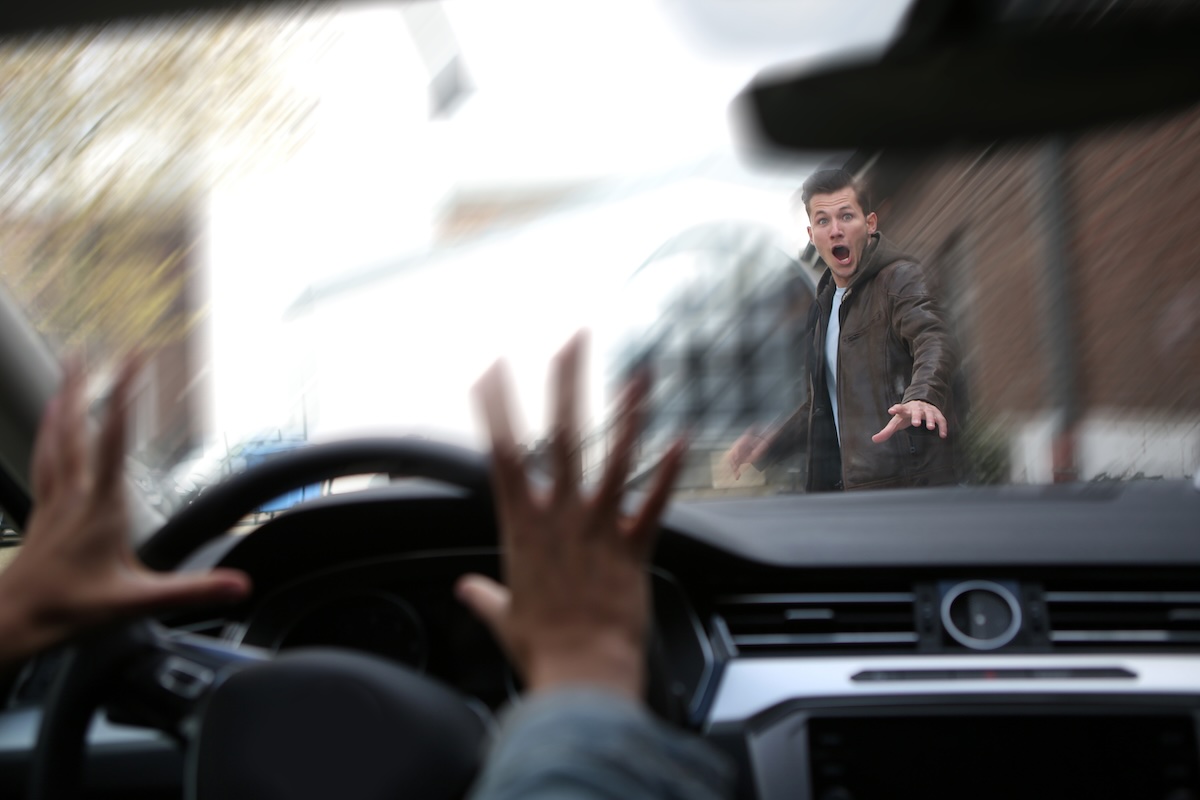
Pedestrians are unpredictable. Kids dart, earbuds dull awareness, and visibility can be awful, especially at dusk. As a fleet driver, your job is to scan like a hawk on espresso.
Pro Tip: During deliveries or pickups, actively check blind spots, mirrors, crosswalks, and sidewalk edges before moving, especially in residential and commercial zones. Be especially cautious around bus stops, schools, and parking lots.
2. 👀 A is for Anticipate the Unexpected — Assume Nothing
Well trained Fleet drivers are trained to be proactive, not reactive. Assume the person texting while walking will not notice the walk signal. That tourist aiming for the perfect selfie? They will probably step into the street.
Pro Tip: Adjust your speed when approaching populated zones and keep your foot near the brake. Proactive scanning is a hallmark of defensive driving for pedestrian safety.
3. 🔦 F is for Focus — No Multitasking Zone
Even if your GPS is trying to send you through a hedgerow and your phone is buzzing with dispatch updates, now is not the time for divided attention.
Fleet driving is a full-contact mental sport. It requires laser focus, particularly when pedestrians are around.
Pro Tip: Eliminate distractions near schools, shopping areas, and public events. Maintaining full attention on the road is essential, especially in areas with heavy foot traffic, where one distracted moment can change everything.
4. 🎓 E is for Educate Your Drivers — Behavior Over Rules
Pedestrian safety is not just about knowing what to do, it is about doing it consistently. Risky habits like rushing through turns, creeping into crosswalks, or assuming pedestrians will yield can all lead to serious consequences.
Pro Tip: Focus on training that builds SAFER habits behind the wheel. At NTSI, our fleet defensive driving courses emphasize real-world behavior change. We help drivers recognize risky patterns, stay alert in unpredictable environments, and respond in ways that protect everyone on the road, especially those on foot.
5. 🛑 R is for Respect Pedestrians — They Break Easy
It might sound simple, but it is vital: pedestrians are the most vulnerable people on the road, and as a fleet driver, your vehicle outweighs and outpowers them by tons, literally. Whether you are behind the wheel of an F250, a delivery van, or a high-profile utility truck, one rushed decision can lead to irreversible harm.
Respect means giving pedestrians the space and time they need to cross safely. It means slowing down in high-traffic zones and reading body language at corners. Sometimes it even means yielding your right of way to ensure someone else gets home safely.
Pro Tip: When in doubt, wait. That extra 10 seconds may be the difference between being seen as a professional fleet driver or becoming the subject of a very public safety investigation.
🚦 Bottom Line? Defensive Driving for Pedestrian Safety Is a Daily Mission
Defensive Driving for Pedestrian Safety is not a seasonal trend or a once-a-year campaign. It is an everyday commitment, especially for fleet drivers whose responsibility and visibility on the road are higher than most.
NTSI’s fleet driver training and defensive driving programs are behavior-based, research-backed, and proven effective. Our goal is to help your team build a culture of safety behind the wheel through consistent, real-world driver behavior change.
Whether you operate a delivery service, utility company, public agency, or private fleet, every time your fleet drivers respect pedestrians, it reinforces your company’s commitment to a culture of safety, improved bottom line, and reduced liability.
Let us help your team drive with confidence, compliance, and care; let us help you drive SAFER.
Until next Tuesday, stay SAFER out there.