

Greetings, Fleet Safety Pros,
A new year has arrived, the calendar has flipped, and the road ahead is wide open. January always brings a mix of optimism, as well as a return to normal after the holidays. New goals, new schedules, new routes, and the same critical responsibility fleet drivers carry every single day. Getting people, equipment, and cargo where they need to go SAFER.
At NTSI Fleet, we like to think of January as the moment you tune the guitar before the show starts. You can have the best amp, the best gear, and the best lyrics, but if you are not dialed in, the performance suffers. Fleet safety and driver behavior modification works the same way.
As we roll into 2026, distracted driving continues to be one of the biggest threats on our roads, and fleet operations feel that impact at scale.
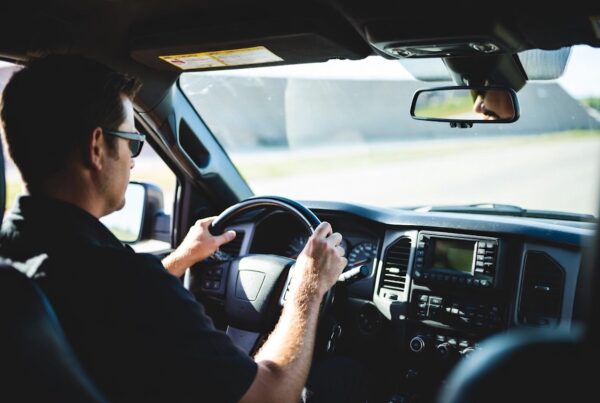
According to the National Highway Traffic Safety Administration, distracted driving claimed 3,275 lives in 2023. Sending or reading a text takes your eyes off the road for about five seconds. At highway speeds, that is the length of a football field traveled without looking. For fleets operating vans, high-profile vehicles, trucks, and utility units, the risk multiplies with size, weight, and stopping distance.
That is where defensive driving becomes the true counterbalance to distraction.
Behavior change does not happen by accident.
It happens when Knowledge + Attitude + Values = Behavior.
When drivers understand the why, believe it matters, and value their role on the road, safer choices follow naturally. That is the heart of defensive driving and the foundation of our NTSI Fleet SAFER approach.
Being Safer, Aware, Focused, Educated, and Responsible is not about memorizing rules. It is about building habits that travel with the driver, every mile, every vehicle, every day.
So crank your Marshall or your Hiwatt, and let us belt out a SAFER song to start 2026 with these Fleet Defensive Driving Tips!
🎸 Tip 1: Driver Behavior Modification Starts with Defensive Driving
Defensive driving is not reactive. It is proactive. It means scanning farther ahead, anticipating mistakes before they happen, and building space around your fleet vehicle at all times. Distractions will always exist. Defensive driving reduces the consequences when they do. This is why behavior-based training matters more than any single policy or poster.
🚛 Tip 2: Build Space Like You Mean It, Especially in Vans and High Profile Vehicles
Vans and high profile fleet vehicles demand respect for physics. Increased weight, higher centers of gravity, and longer stopping distances mean these vehicles need more room to operate SAFER. Following too closely leaves no margin for error when traffic slows, a dispatch alert flashes, crosswinds push the vehicle, or a moment of distraction creeps in. Extra space gives drivers time to brake smoothly, maintain stability, and avoid abrupt maneuvers that can lead to loss of control. In high profile vehicles, space is not a courtesy. It is a critical safety buffer that protects drivers, cargo, and everyone sharing the road.
🧠 Tip 3: Train the Brain to Change Driver Behavior
A good SAFER Driver Program is built on behavior, not just memorization and muscle memory. This course focuses on how real drivers actually operate in the real world, under pressure, fatigue, emotion, distraction, and competing demands. When drivers understand how their knowledge, attitude, and values influence outcomes, they are better equipped to manage risk in real time, not just pass a quiz. Behavior-based defensive driving works because it travels with the driver into every vehicle, every route, and every situation, making SAFER decisions the default, not the exception.
📊 Tip 4: Use Data to Support Better Driving Decisions
Technology plays an important role in modern fleet safety. Telematics, reporting, and performance insights help identify trends and risks across an operation. The real value comes when that information supports coaching and training that keeps the focus on people, not punishment. Data shows where to look. Behavior based fleet driver training shows drivers how to improve. NTSI does not teach fleets how to drive, we teach them how to drive SAFER.
🚦 Tip 5: Policies Stick When Leaders Prove They Work
Fleet safety policies carry far more weight when leaders can point to results, not just rules. NTSI’s behavior-based defensive driving programs are backed by independent efficacy studies that show measurable, repeatable outcomes: lower collision rates, fewer violations, and high participant engagement. When supervisors and managers model distraction-free, defensive driving behaviors and reinforce them with training that is proven to change behavior, drivers listen, believe, and follow suit.
A safety culture grounded in data, accountability, and leadership examples does not just sound good. It works, and the numbers consistently prove it.
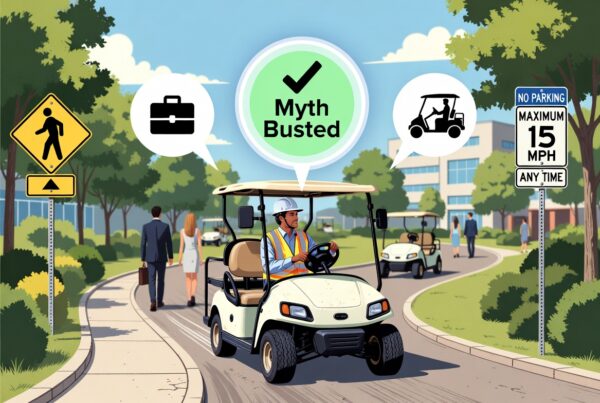
Look to NTSI as your trusted fleet defensive driving partner, with our experience spanning vehicles, industries, and environments. From classroom to online to behind-the-wheel instruction, from high-profile vehicles to CDL refreshers, from golf carts to fully loaded work trucks, our focus remains the same.
We do not teach people how to drive. We teach them how to drive SAFER.
As we head into 2026, think of driver behavior modification as the rhythm section that holds the whole show together. Distractions are the feedback and static that throw everything off. SAFER habits are the groove, steady, practiced, and reliable, that keeps your fleet in sync and moving forward long after the opening song ends.
So turn up the good tunes, keep your eyes on the road, your hands on the wheel, and your attention where it belongs. The road ahead still has plenty of miles to go.
Until next Tuesday, stay focused, stay kind, and keep your fleet driving SAFER in 2026.