
Greetings, Fleet Drivers and Winter Road Warriors,
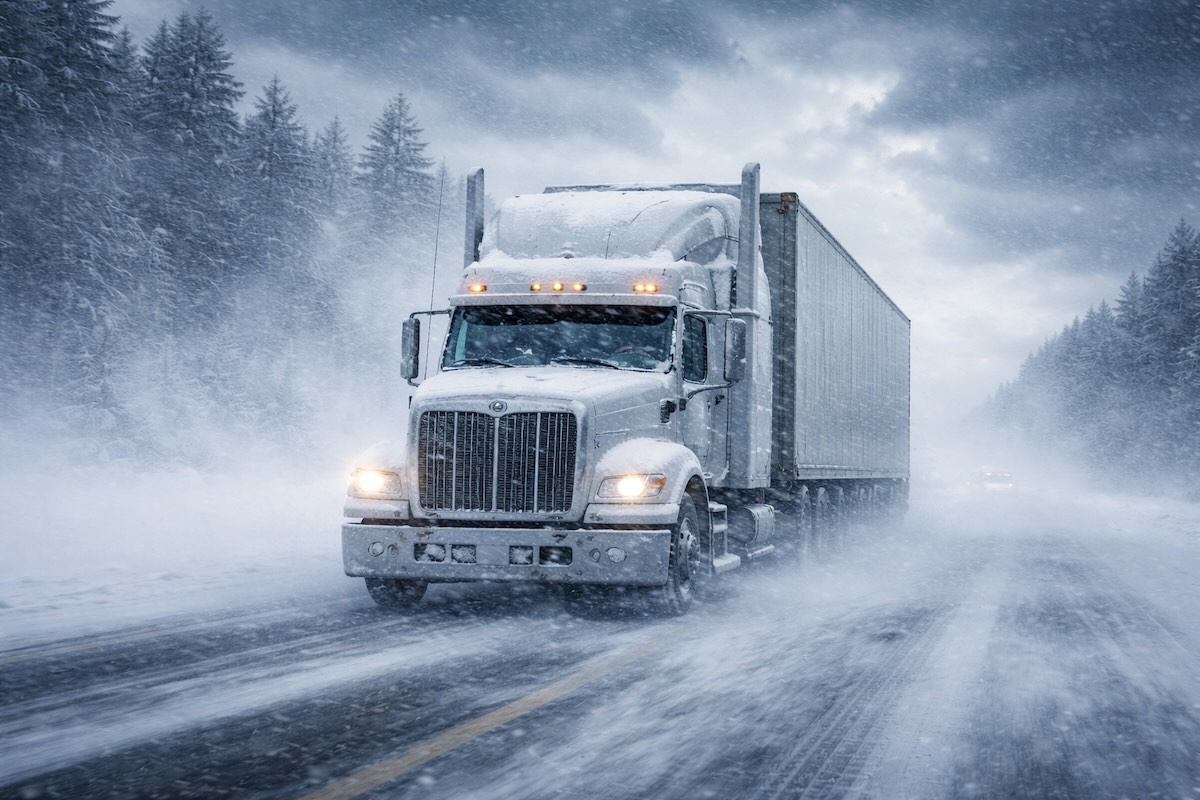
As of yesterday, a full-force blizzard is hammering New York, grinding much of that region, and much of the Northeast, to a halt.
Our NTSI Staten Island office is digging out alongside the rest of the region, tracking plows, watching snow totals climb, and navigating the same treacherous roads many of your fleet drivers are facing today and throughout this season.
At NTSI, Fleet Winter Safety Tips are not theoretical. We live them.
From whiteout conditions in the Northeast to Bomb Cyclones in Issaquah, storm surge flooding in South Carolina, atmospheric rivers in California, to hurricane-force wind and rain in Florida, our teams drive in the same extreme conditions your fleets face.
Fleet safety is not theoretical for NTSI. It is personal and lived every day.
We say it often, we do not teach fleet drivers how to drive, we teach fleet drivers how to drive SAFER.
Blizzard conditions like those hammering the Northeast underscore a critical truth for fleet managers and drivers alike: snow and ice multiply risk quickly.
Reduced visibility, longer stopping distances, hidden black ice, and plowed but not quite cleared lanes create a perfect storm, no pun intended, for collisions and unseen incidents that can cripple a fleet that needs to operate in all weather conditions.
With winter still firmly in control, now is the time to reinforce proven Fleet Winter Safety across your organization with these tips:
🚛 Tire Traction Is Everything in Snow
Tires are your Fleet’s first line of defense in winter weather. Ensure tread depth is adequate across the entire fleet and inspect for uneven wear. Cold temperatures reduce tire pressure, which directly impacts traction. Verify pressures frequently during sustained cold snaps. For snow-heavy regions, confirm that appropriate seasonal or all-weather tires are in place.
🛑 Increase Following Distance Beyond “Double”
On snow-packed or icy roads, stopping distances can increase dramatically. Fleet drivers should extend following distance well beyond normal defensive driving standards. Gentle braking and early deceleration are critical. In blizzard conditions, assume that every vehicle ahead may stop unpredictably.
👀 Visibility Can Disappear Without Warning
Heavy snowfall and blowing drifts can create near-whiteout conditions in seconds. Ensure fleet vehicles have properly functioning defrosters, winter-grade washer fluid, and fully operational headlights and taillights. Snow accumulation on lights reduces visibility for everyone. Clearing vehicles fully before departure is not optional.
🛣️ Smooth Inputs Prevent Winter Spinouts
Snow demands disciplined vehicle control. Gradual acceleration, steady steering, and controlled braking are essential. Sudden corrections increase the likelihood of skidding, particularly in intersections and on bridges where black ice forms first. Train drivers to anticipate, not react.
🧭 Think Global, Drive Local
Our Staten Island team is navigating deep snow drifts and undriveable roads, shoveling driveways, and doing the work that winter demands.
On our company’s virtual Water Cooler (remember those?), they have posted striking photos of a winter wonderland that could make even Bing Crosby burst into song. It is a reminder that even in stressful conditions, there is space to appreciate the beauty of the season.
Coast to coast, NTSI drives and lives in the same conditions you and your fleet face.
Our Midwest teams understand snow, ice, and slush, but that snow days also mean working remotely and getting the opportunity to play in the snow with your littles.
Our Southern staff know freezing rain events that turn highways into skating rinks, but wow, what rainbows the clearing skies bring.
Our Pacific Coast offices know winds, toppled trees, mudslides, and flooded roads, but also know that with a deep breath, a steady hand on the wheel, and a fine cup of coffee, all things are possible.
We work hard to make the roads SAFER for everyone, because NTSI is you, us, them, and everyone on the shared road. We teach it because we experience it.
Fleet winter safety requires awareness of local hazards while applying consistent, proven safety practices across the organization.
If your Fleet operates in inclement weather and snow-prone regions, now is the time to reinforce winter defensive driving principles, and also to remind your fleet drivers to stay safe, stay warm, and when and where you can, enjoy that winter wonderland!
Also, check out any missed Tuesday Tips where you can always find savvy seasonal tips on SAFER driving.