
Greetings, Fleet Safety Pros,
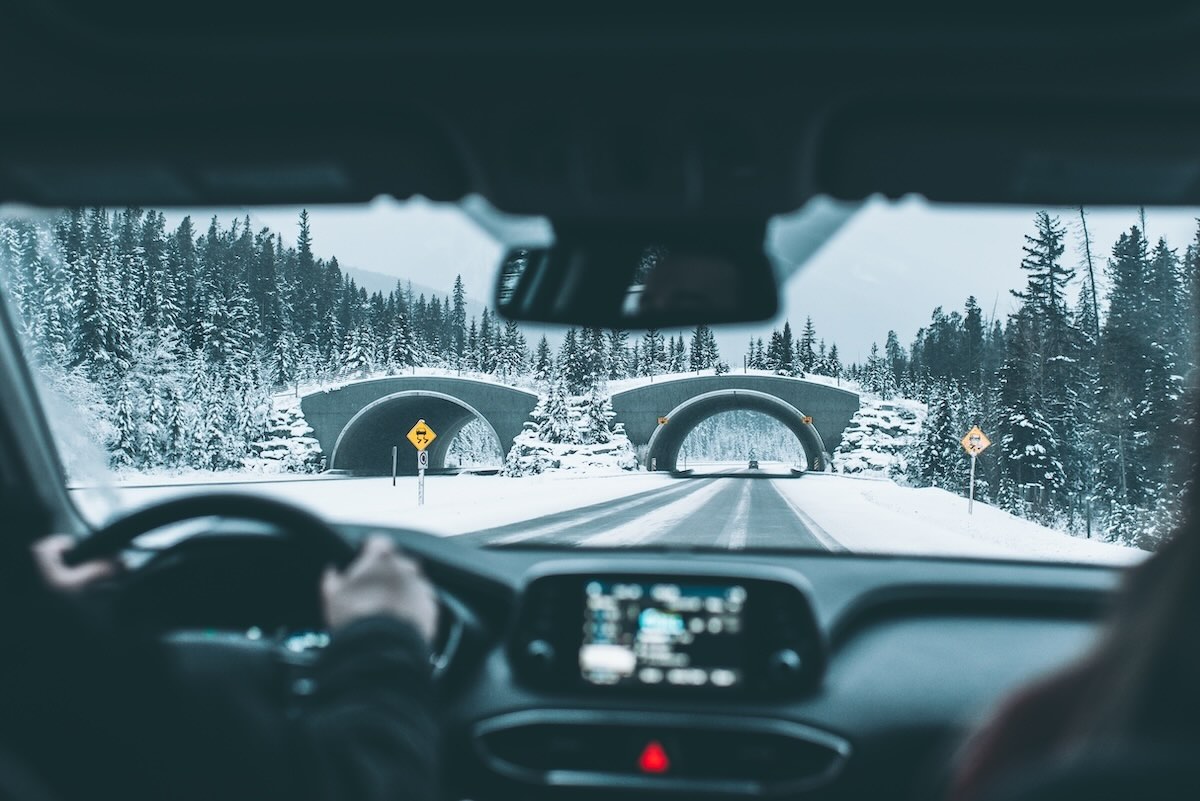
Winter weather often occupies a holiday timeframe in our collective imagination, yet in reality winter conditions frequently intensify in the New Year. Inclement weather does not merely change the scenery. It alters physics, vehicle behavior, driver reaction time, and overall risk exposure. The NHTSA advises all drivers that it is harder to control or stop your vehicle on a slick or snow-covered surface. In fact, 2023 had an estimated 101,390 police reported traffic crashes that occurred when there was snow/sleet conditions at the time of the crash.
For Fleets, snow, sleet, ice, freezing rain, and reduced visibility create conditions where even seasoned fleet drivers can find themselves operating with far less margin for error than usual. The good news is that inclement weather risks can be managed. The following fleet winter safety tips focus on preparation, professional judgment, and adapting driving behavior to match the conditions.
At NTSI, we remind drivers that the road does not care about schedules, delivery windows, or confidence levels. Inclement weather demands adaptation.
Here are some fleet-specific reminders that go beyond the passenger vehicle mindset and into real-world fleet operations.
Tip 1: Slow Is Strategic in Winter Fleet Driving 🐢
Fleet vehicles carry more weight, sit higher, and often take longer to stop than passenger cars. In winter conditions, momentum becomes your enemy.
- Reduce speed well below posted limits when traction is compromised. Speed limits reflect ideal conditions, not icy reality.
- Increase following distance significantly. High profile vehicles, vans, trucks, and utility vehicles need far more room to stop on slick surfaces.
- Avoid abrupt braking, lane changes, or steering inputs. Smooth inputs preserve traction and stability.
In short, winter driving rewards patience. If you feel rushed, you are already behind the conditions.
Tip 2: Prepare Fleet Vehicles Before Winter Exposes Weaknesses 🔧
Cold weather exposes weaknesses quickly, particularly in fleet vehicles that run daily and rack up miles.
- Tire pressure drops as temperatures fall. Underinflated tires reduce traction and increase stopping distance. Check pressures regularly and follow manufacturer specifications.
- Inspect tread depth and sidewalls. Adequate tread is essential for shedding snow and maintaining grip.
- Batteries lose power in cold conditions, especially in diesel, hybrid, and electric fleet vehicles. A weak battery will reveal itself at the least convenient moment.
- Confirm all lights, signals, and trailer connections are operational. Visibility is currency in bad weather.
Winter is not the season to discover deferred maintenance.
Tip 3: Visibility Is a Critical Fleet Safety Skill 👀
Reduced visibility is one of the most underestimated risks in inclement weather.
- Clear snow and ice from all windows, mirrors, cameras, lights, and sensors before moving the vehicle. A small blind spot becomes a large problem in poor conditions.
- Use headlights appropriately, even during daylight hours, to improve vehicle visibility to others.
- Keep windshields clear with winter-rated washer fluid and fully functional defrosters.
If you cannot see clearly, others cannot see you either. That is a risk multiplier for fleet operations.
Tip 4: Plan for Winter Driving Uncertainty 🧰
Fleet drivers are professionals, which means planning for delays, breakdowns, and unplanned stops.
- Carry basic winter emergency supplies, including a shovel, ice scraper, traction material, flashlight, first aid kit, blankets, and charged communication devices. Having an excellent telematic system is a life saver in these conditions.
- Fuel vehicles adequately or maintain sufficient battery charge before routes begin. Cold weather drains energy faster than expected.
- If conditions deteriorate beyond safe operation, pause and communicate. Delays are preferable to incidents.
Professional judgment includes knowing when not to push forward.
Tip 5: Winter Fleet Safety Requires Targeted Training 🎓
Inclement weather driving is not intuitive, and it is not solved by experience alone. Fleet drivers benefit most from behavior-based training that teaches how to adapt speed, braking, visibility management, and decision-making in real time.
The NTSI SAFER Fleet Driver Training Program coupled with our Inclement Weather module equips drivers with specific techniques to manage changing road conditions, hazardous weather, and reduced visibility. Through advanced instruction and simulation-based learning, drivers gain practical skills that translate directly to safer outcomes when the weather turns unfriendly.
Winter will arrive whether we are ready or not. These fleet winter safety tips help drivers meet winter challenges with professionalism, patience, and purpose. SAFER fleet drivers are the ones who meet it prepared.