
Greetings, Rain-Ready Fleet Managers and Drivers,
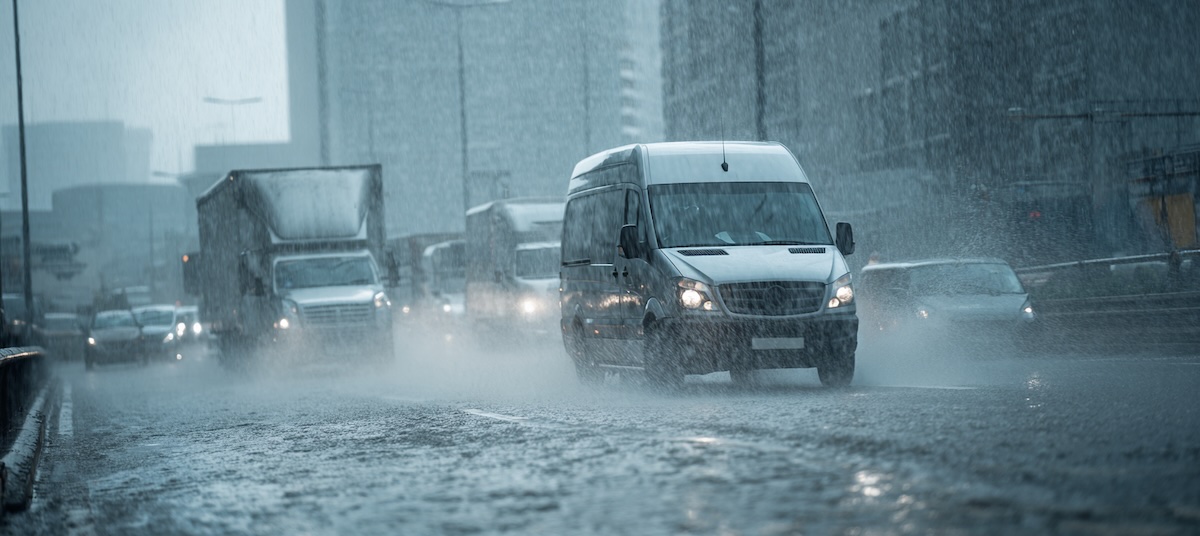
Our Pacific Northwest office, located in lovely Issaquah in the greater Seattle area, where NTSI is proudly headquartered, finally received its first real rains of the season. Not a torrential downpour mind you, but enough to slick the streets and remind us that even in places where rain is routine, people somehow forget how to drive in it. The moment that first heavy rain hits, it is as if the roads are suddenly sprinkled with pixie dust, cars fishtail, brake lights flash, and drivers behave like it is their very first time on wet pavement. A little grunge in your playlist? Classic. A little grunge on wet Pacific Northwest roads, mixed with oil and rain on I-5, is a slick Seattle encore nobody needs.
And it is not just a Pacific Northwest quirk. When the rains come to your region, whether it is a sudden downpour in the desert, an afternoon thunderstorm in the Southeast, or a drizzle in the Midwest that is basically a snow preview, fleet rain safety tips are more important than ever. Even dry areas get their share of cloudbursts, and those first few drops after a long spell can be the slickest of all, thanks to that grungy oil and debris rising to the surface.
If everyday motorists struggle with rain, it is even more critical for those driving Fleet vehicles to apply proven fleet rain safety tips, stay focused, slow down, and lean on their SAFER training. Whether you are behind the wheel of a sedan, an F350, or a high-sided cargo van, rain changes the entire driving equation.
🌧️ The Slick Truth About First Rains
The first rainfall after a dry spell is deceptively dangerous. That mix of water, oil, and road grit creates a cocktail no one wants to test at 55 mph.
Tip: Slow down and give yourself extra following distance during and after the first rains of the season. That added buffer may be the difference between a safe stop and a serious incident. These fleet rain safety tips help reduce hydroplaning and protect both cargo and community.
🚛 Fleet Vehicles + Rain = Extra Vigilance
Fleet vehicles are heavier, taller, and often loaded differently than personal cars, which means longer stopping distances and more sway in wet conditions.
Tip: Fleet managers should make tire checks part of regular maintenance. Adequate tread and proper inflation help reduce hydroplaning risk. Encourage drivers to test brakes gently at the start of a rainy drive to see how their vehicle is responding that day.
👀 Visibility Matters: Key Fleet Rain Safety Tips for Clear Driving
Rain not only slicks the road, it blurs the view. Streaky, worn-out wipers and drivers who forget their headlights make things even worse.
Tip: Replace wiper blades at least once a year, and remind drivers to use headlights in the rain. Seeing clearly and being seen are both essential to driving SAFER.
🚛 Fleet Visibility on Rainy Roads
For Fleet drivers, visibility challenges multiply. Larger mirrors can collect more water, high-profile vehicles create extra spray for others, and wide blind spots make it easier to miss a pedestrian, cyclist, or compact car hiding in the mist.
Tip: Build wiper checks, defroster tests, and headlight inspections into every pre-trip routine. A clear windshield and clean lights help your Fleet drivers stay visible to everyone sharing the wet roads.
🎵 Cultural Cue: Rain Is Not a Musical Number
Sure, rain might inspire you to hum Singin’ in the Rain or crank up Reign O’er Me. But rainy roads are no stage. Hydroplaning at highway speeds is not choreography, it is chaos.
Tip: Keep the playlist upbeat inside the cab, but let your driving stay calm, cautious, and professional.
🚚 Fleet Reality Check: No Need for the Drama
A Fleet truck is not a spotlight, and an F350 or cargo van should not be rehearsing dance moves on slick pavement. Wet roads already add enough unpredictability, the last thing your drivers need is to treat traffic like a stage show.
Tip: Remind your Fleet drivers that rain calls for composure. Smooth steering, steady braking, and measured speed will keep their performance focused on SAFER driving, not unplanned theatrics.
📦 Cargo Considerations
For vans and trucks, wet pavement plus unsecured cargo equals trouble. A sudden stop can send loads sliding, throwing off balance and making recovery nearly impossible.
Tip: Double-check that every load is secure before departure. A well-balanced, tied-down load makes a wet drive much safer.
🚛 Cargo and Fleet Safety Go Hand in Hand
When rain turns the road into a slip-n-slide, the weight and movement of cargo can magnify the risk. High-profile vehicles and loaded trucks already need more stopping distance, and shifting freight on a slick surface can make a tough situation downright hazardous.
Tip: Encourage drivers to go beyond a quick glance, straps, tie-downs, and doors should all be checked and re-checked before departure. A secure load keeps the vehicle stable, the driver in control, and your Fleet operating SAFER no matter what the weather delivers.
🛡️ The SAFER Approach in Wet Weather
No matter where your Fleet operates, the SAFER model applies when the rains come:
- S – Safer: Reduce speed and increase following distance.
- A – Aware: Watch for slick spots at intersections, curves, and ramps.
- F – Focused: Distractions are doubly dangerous when visibility drops.
- E – Educated: Remember, first rains lift oil and debris, creating hidden hazards.
- R – Responsible: Keep vehicles rain-ready with maintained tires, brakes, and wipers.
🌍 Rain Is Local, Risk Is Universal
From Florida to California, Texas to Maine, rain shows up in many forms, sudden downpours, steady drizzles, monsoon-like sheets, or the kind that signals snow is next. The details differ, but the need for defensive driving remains the same. Fleet rain safety tips remind us that fleet safety is not seasonal, it is situational and strategic.
When the rains come, whether it is a sprinkle, a downpour, or a snow preview, it is a reminder that even experienced drivers benefit from a refresher. Fleet safety training builds habits that hold steady across all weather, all regions, and all vehicle types.
At NTSI, we do not teach people how to drive, we teach them how to drive SAFER. Rain or shine, keep your Fleet rolling with confidence, caution, and a little professional calm under those storm clouds (pixie dust, grunge tunes, rain anthems, and all).