
Greetings, Fleet Drivers and Managers,
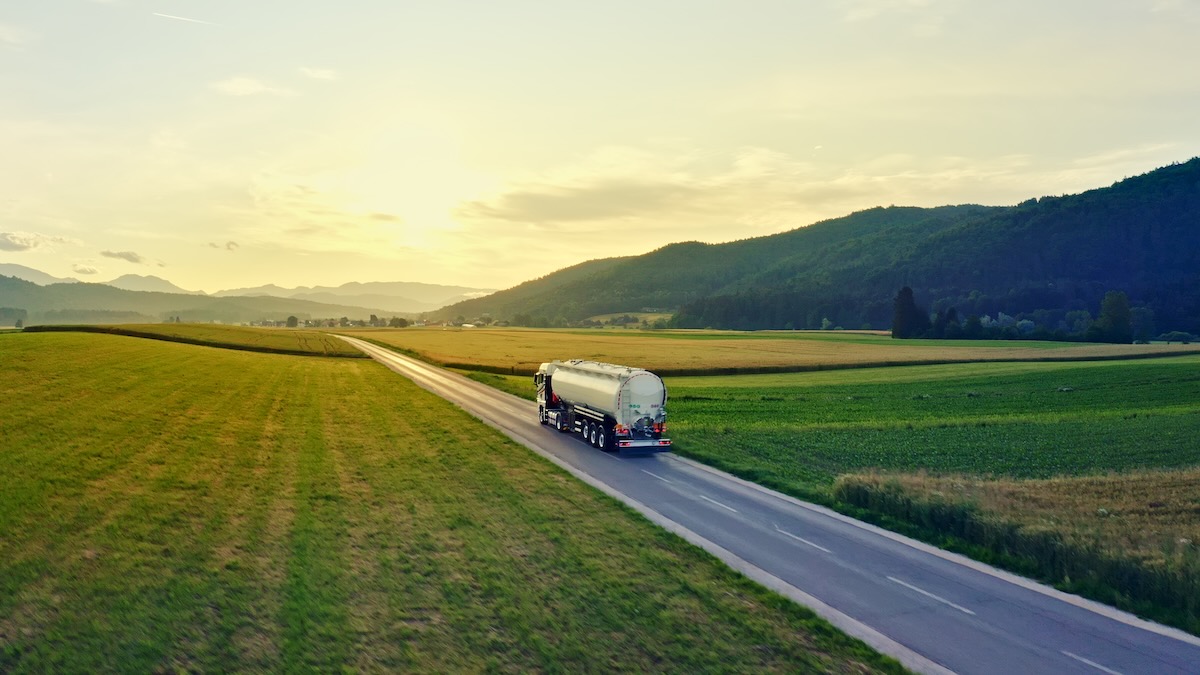
In the Pacific Northwest, where NTSI is headquartered in the town of Issaquah, they are surrounded not just by mountains and coffee shops but also long, winding country roads. And across the country, from the low country of South Carolina where you will find me, to the Great Plains, or the backroads of rural Georgia, fleets spend just as much time navigating gravel shoulders and two-lane highways as they do urban streets, making rural fleet driver safety just as vital as city-based training. While urban driving often grabs the spotlight, rural fleet driver safety comes with unique challenges that deserve equal attention when we talk about fleet driver safety training and what it truly means to be a SAFER Driver.
Out there beyond the city lights, things can feel more relaxed. Less traffic, more open space. But do not let the quiet scenery fool you. Statistically, many serious crashes occur on rural roads, often due to higher speeds, limited visibility, and the sudden appearance of unexpected hazards, think deer leaping across the road, tractors edging out of driveways, or a sharp turn that seems to materialize out of nowhere.
Rural roads account for a significant proportion of total lane miles in the United States, and they play a significant role in our nation’s transportation system, safely moving people and goods to their destinations. However, rural areas face several transportation challenges relating to safety, usage, and infrastructure conditions.
That is why the effectiveness of NTSI’s instruction has always emphasized that defensive driving is not just for rush-hour highways. It is just as vital, perhaps even more so, in rural settings where help may be farther away and where conditions can change in a heartbeat.
Let’s cover some assumptions and spotlight a few practical ways to keep your teams and fleet vehicles SAFER on the older than the trees, younger than the mountains, dark and dusty country roads:
👀 Tip #1: Do Not Let the Quiet Fool You
Rural routes can seem calm, but appearances deceive. Blind curves, narrow lanes, and limited lighting often hide hazards. For fleet drivers managing sedans, vans, or high-profile vehicles, staying alert is non-negotiable. Defensive driving is about anticipating what you cannot see yet, the deer about to dart, the cyclist just beyond the bend, or the farm equipment slowing traffic. Keeping your focus sharp is how to be a SAFER driver. It’s one of the core pillars of rural fleet driver safety.
🐄 Tip #2: Expect the Unexpected
In rural areas, it is not unusual to encounter livestock, wildlife, or slow-moving agricultural equipment. A cow in the roadway or a tractor cresting a hill can appear suddenly, and large fleet vehicles need much more space to stop safely. Encourage your drivers to reduce speeds, avoid tailgating, and always leave a buffer zone, it is a small adjustment with a big impact on overall fleet safety training efficacy.
🌌 Tip #3: Darkness Is a Driving Factor
Unlike the glow of city streets, rural roads often lack streetlights, leaving drivers with only their headlights to guide them. Fleet operators know, especially those that have taken utility vehicle defensive driving or fire department driver training, that visibility is essential. Remind your teams to keep headlights clean, use high beams when appropriate, and be ready to dim them when approaching oncoming traffic. The darker the road, the brighter your focus must be.
🌲 Tip #4: Weather Can Change Everything
In some parts of the country, Autumn rains turn dusty roads into slippery stretches. In others, first rains are simply a preview of coming snow and ice. For professional drivers, every climate demands adaptability. Effective fleet driving training teaches drivers to adjust following distances, reduce speed, and use smooth steering inputs to maintain control. Remember: prevention is the most reliable form of protection.
🛠️ Tip #5: Preparation Is Your Best Co-Driver
Out in rural areas, roadside assistance might be miles away. That makes preventive maintenance and preparation even more important. Regularly check tire tread, brakes, lights, and fluid levels, and encourage drivers to carry essentials like water, reflective triangles, and a fully charged phone. Research on fleet training efficacy and defensive driving efficacy studies continues to show that proactive habits reduce downtime, minimize costs, and keep drivers safer.
Harvesting Rural Fleet Driver Safety Together
With the Autumn season literally right around the corner, rural routes can look peaceful like a postcard, but don’t let the bucolic beauty fool you, they demand just as much skill and vigilance as city traffic. Fleet drivers carry more responsibility than the average motorist, not only for their own safety but also for the passengers, cargo, and communities they serve.
At NTSI, we like to remind our partners that we do NOT teach people how to drive, we teach them how to drive SAFER. That means preparing for every road, every season, and every possible surprise.
Whether you are rolling down a winding country lane, navigating a gravel road in a utility vehicle, or operating a high-profile truck along an open highway, practice patience, preparation, and presence. That is how you keep your drivers, your fleet, and your community SAFER.
From flat farmland to forested hills, rural fleet driver safety isn’t a seasonal priority, it’s an all-year mission.
Until next Tuesday, stay alert, stay steady, and enjoy those country roads.